According to the Mayo Clinic, Sleep apnea is a potentially serious sleep disorder in which breathing repeatedly stops and starts. If you snore loudly and feel tired even after a full night’s sleep, you might have sleep apnea. https://www.mayoclinic.org/diseases-conditions/sleep-apnea/symptoms-causes/syc-20377631
The main types of sleep apnea are:
- Obstructive sleep apnea: This is the most common type. It occurs when your airways repeatedly become completely or partially blocked while sleeping. Obstructive Sleep Apnea causes your diaphragm and chest muscles to work harder than normal to open your airways. You may start to breathe with loud gasps or jerk your body. This affects your sleep, lowers the flow of oxygen to your vital organs, and leads to abnormal heart rhythms.
- Central sleep apnea: Occurs when your brain doesn’t send proper signals to the muscles that control breathing. Central sleep apnea happens most often in people with neuromuscular disease such as amyotrophic lateral sclerosis (ALS, or Lou Gehrig’s disease), stroke victims, or in people with heart, kidney, or lung disease.
- Complex sleep apnea syndrome, also known as treatment-emergent central sleep apnea, occurs when someone has both obstructive sleep apnea and central sleep apnea
Learn More
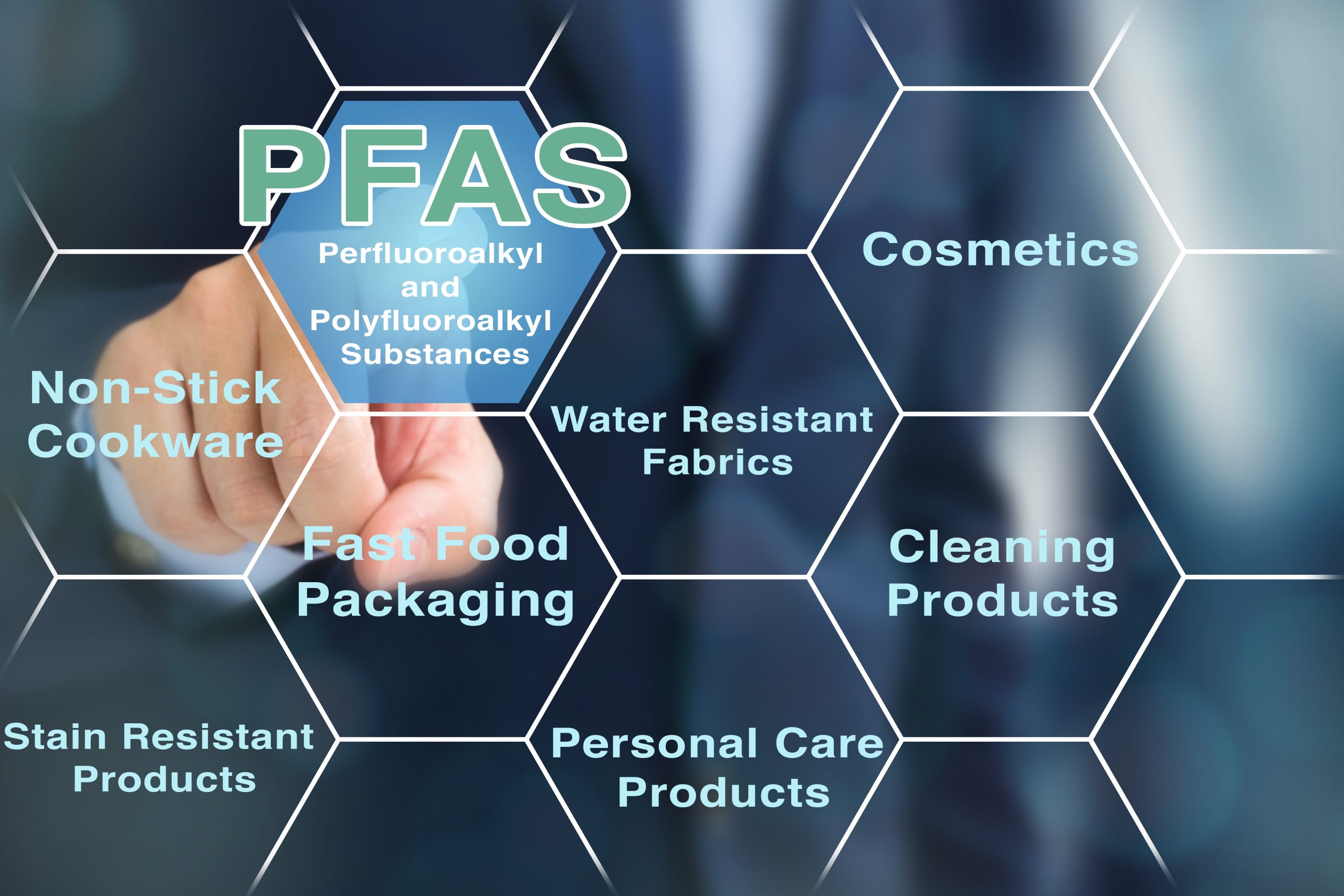
PFAS at Home: Simple Ways to Reduce “Forever Chemicals” in Your Everyday Life
Nicole Tatlock
September 27, 2026
When we think about creating a healthier home, we often focus on the food we eat, the water we drink, and the products we use ...

Read More →
Your Home Is Part of Your Health: 7 Everyday Choices for a Healthier Lifestyle
Nicole Tatlock
September 18, 2026
When we think about getting healthier, we often think about what happens outside the home: going to the gym, choosing better foods, taking a walk, ...

Read More →
A Fresh Season, A Fresh Start: Preparing Your Home for the Months Ahead
Nicole Tatlock
September 8, 2026
The slower days of summer give way to familiar routines. School schedules return, work becomes busier, and our calendars begin filling up again. It’s also ...
Read More →


